The Ultimate Guide to Efficient Dumpster Loading
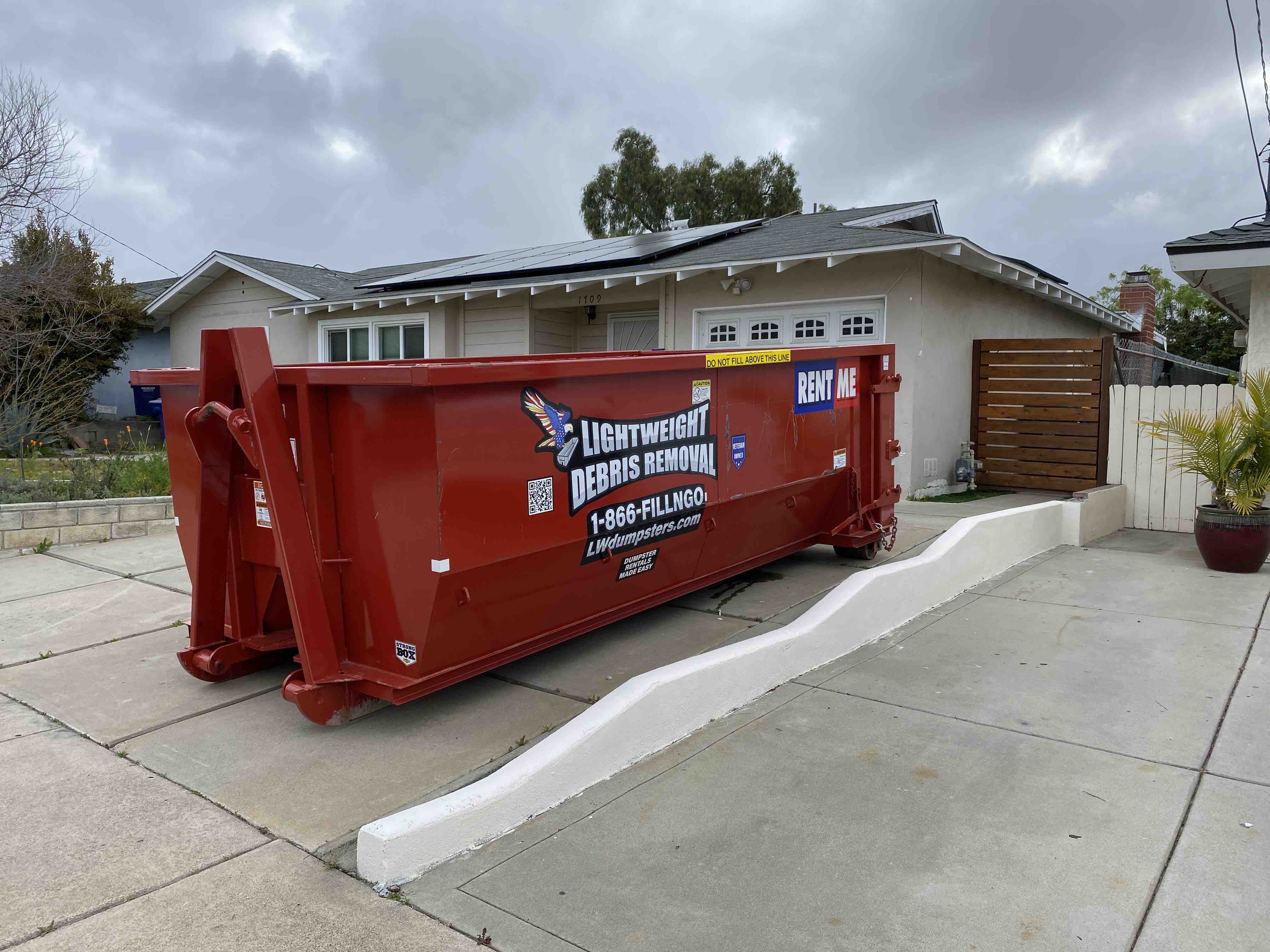
Whether tackling a renovation, cleanup, or building project, loading a dumpster might appear simple. But the way items are positioned affects how efficiently you use space, how safely you work, and how quickly you finish. Many people overlook the importance of proper dumpster loading, which can cause space loss, safety hazards, and unnecessary project delays.
At Lightweight Debris Removal, we stress the importance of loading a dumpster correctly just as much as selecting the proper size. A systematic method allows you to fully utilize your dumpster and maintain a safe work zone. Our aim is to help customers gain the most from their rentals by promoting smart loading practices that cut clutter, prevent harm, and make cleanup more efficient.
Organizing Before You Begin Loading
Before placing any waste into the dumpster, proper preparation is key. Assess your waste materials to determine what can be recycled or requires specific disposal. Sorting ahead of time promotes a smooth workflow and limits the need for reorganization later. You’ll also ensure safer handling since sharp or dangerous items are separated.
Planning how items will be loaded is another critical step. Place heavier or bulkier items first to form a solid base. Next, stack smaller items above to utilize all available room. Proper planning prevents uneven distribution and potential shifting during transport. Strategic organization leads to safer, faster, and more effective loading results.
Maximizing Dumpster Space
Proper space utilization can make a major difference in how much waste fits. Disassemble big items—like cabinets or couches—before loading them. By flattening cardboard, detaching parts, and compacting items, you free up extra room. It helps you fit additional material without overcrowding get more info or instability.
Another good method is layering your load properly. Start with flat, dense materials on the bottom for support. Add lighter debris in between to fill open spaces. Do not overfill or stack above the container rim to prevent hazards. Layering effectively ensures a neater, safer, and more productive loading experience.
Maintaining Safety During Loading
Safety must always come first when loading a dumpster. Wearing gloves, strong shoes, and protective gear helps prevent cuts and injuries. Before you start, ensure the area is free from obstacles or tripping hazards. Staying alert around the dumpster keeps the process safe and organized.
Do not hurl or drop debris from afar into the container, as it can cause unpredictable movement or potential damage. Instead, place objects deliberately and with control. If something is heavy or large, ask for assistance rather than risk injury. Prioritizing safety not only protects workers but keeps operations steady and efficient.
Sorting and Organizing Materials
Sorting your waste both before and during loading is a simple yet powerful way to stay organized. Keep comparable debris types—such as wood, metal, or general trash—segregated. This method improves the workflow and eases both the loading and dumping process. It also helps identify recyclable items, cutting down waste and supporting eco-friendly practices.
Keeping materials organized reduces the need to rearrange items once they’re inside. Position lighter, flexible materials toward the top layer and heavy ones beneath. By organizing weight properly, the dumpster remains secure and tidy. Being organized saves time and creates a smoother, more professional workflow from start to finish.
Preventing Property Damage During Dumpster Placement
Dumpsters are durable, but the property underneath may need protection. Use wooden beams or other protectors beneath to reduce stress on driveways and pavements. This easy precaution helps maintain the integrity of your property during the project.
Where you position the dumpster affects both convenience and safety. Pick a steady surface that provides safe loading and unobstructed access. Do not place it near fragile features like fences or shrubs to prevent accidental harm. Thoughtful setup ensures a smooth experience and minimizes potential property risks.
Efficient Dumpster Use for Major Projects
Major cleanup efforts can produce a steady stream of waste that requires planning. Creating a staging area where waste is sorted before reaching the dumpster can streamline loading. This keeps the dumpster evenly filled from front to back and minimizes later rearranging.
Encouraging teamwork and good communication boosts workflow efficiency. Divide responsibilities among your team to maintain consistent progress. When everyone knows their tasks, the process runs faster and stays organized. Effective preparation and teamwork are key to timely, complication-free completion.
Understanding Restricted Dumpster Items
Certain items aren’t permitted in regular dumpsters, making awareness essential. Materials like paints, batteries, and chemicals require special disposal methods. Placing these inside a dumpster may cause environmental harm or disposal complications. Check local guidelines before loading to stay compliant and safe.
Do not overfill or overload the dumpster to maintain safety. Overweight dumpsters can be unsafe and cause additional service fees. Staying within capacity ensures safety and compliance with waste standards. Being mindful of what and how much you load ensures smooth pickup and transport.
Partnering with a Reliable Dumpster Rental Provider
Collaborating with a dependable provider makes any cleanup smoother and more efficient. Lightweight Debris Removal delivers dependable and professional dumpster solutions to simplify cleanup for any project. From drop-off to collection, our team ensures a seamless and worry-free rental experience.
Choosing a service dedicated to client satisfaction ensures smoother operations. Prompt support, transparency, and reliability help maintain project flow. Lightweight Debris Removal is devoted to helping clients achieve organized, secure, and efficient results through expert guidance and responsible use.
Maintaining a Clean and Efficient Project Site
Proper dumpster organization contributes to faster, more productive results. Keeping order at the site minimizes distractions and enhances coordination. Using effective organization turns cleanup into a natural step in the process.
Lightweight Debris Removal reminds customers that dumpster loading is about more than getting rid of waste. It’s a chance to boost safety, save time, and protect your surroundings. With proper organization, attention to detail, and dependable support, efficient loading becomes key to project success.